Sumo ranks explained: yokozuna to maegashira
The top division, makuuchi, has five ranks. From the top: yokozuna (grand champion), ozeki (champion), sekiwake, komusubi, and maegashira. The top four are together called sanyaku. Every wrestler is also placed on the East or West side, with East ranked slightly higher. Rankings are set after each tournament from win-loss records and printed on one sheet, the banzuke.
The number of wrestlers at each rank changes every tournament. Confirm the current banzuke with the Japan Sumo Association. Japan Sumo Association ↗
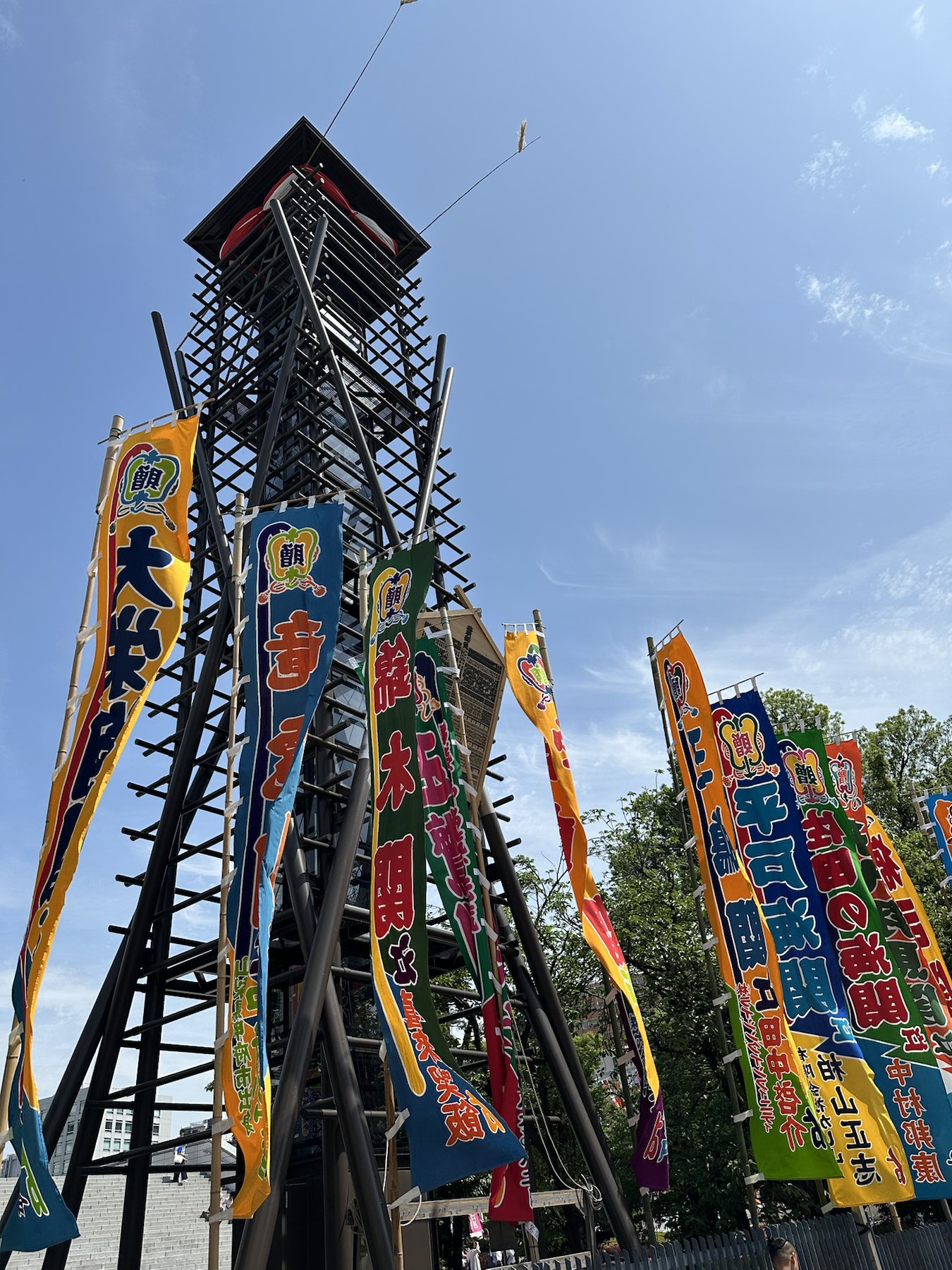
What you are seeing
- The banzuke sheet, sold at the venue, lists every wrestler by rank in traditional calligraphy, with the largest names at the top.
- Higher-ranked wrestlers fight later in the day, so the bouts feel bigger as the afternoon goes on.
- Sanyaku wrestlers usually face each other in the closing bouts of the top division.
What to watch next
- A maegashira who beats a yokozuna earns a formal honour (kinboshi) - listen for the extra crowd reaction and the shower of cushions.
- An ozeki can be demoted after two straight losing tournaments; one fighting to keep the rank is called kadoban, a storyline worth following.
- Sekiwake and komusubi face the hardest schedule - they meet the yokozuna and ozeki - so a strong record there is a promotion signal.
A common first-timer mistake
Reading the banzuke like a left-to-right table. It is ranked top to bottom by name size and position, with East and West as two sides; the biggest names are the highest ranks.
Words you may hear
- Makuuchi
- the top division, usually 42 wrestlers
- Sanyaku
- the top four ranks: yokozuna, ozeki, sekiwake, komusubi
- Maegashira
- the rank-and-file of the top division, numbered from 1 downward
- Banzuke
- the ranking sheet, reissued before every tournament
Sources and review
Created and photographed in Ryogoku by a Tokyo-based spectator. Facts reviewed against Japan Sumo Association materials on 25 August 2026.