Why does the sumo winner chop the air before taking the prize money? Tegatana, explained
The chopping gesture is called tegatana o kiru. When a wrestler wins a bout with kensho (sponsor prize money) on it, the gyoji holds out the prize money on his gunbai, the referee's fan, and the winner cuts the air in front of it with one flat hand, fingers held tightly together, in the order left, right, center. The Japan Sumo Association says it is regarded as a courtesy of thanks to the three deities who protect the five grains (the harvest), and it has been part of sumo's official rules since the July tournament of 1966.
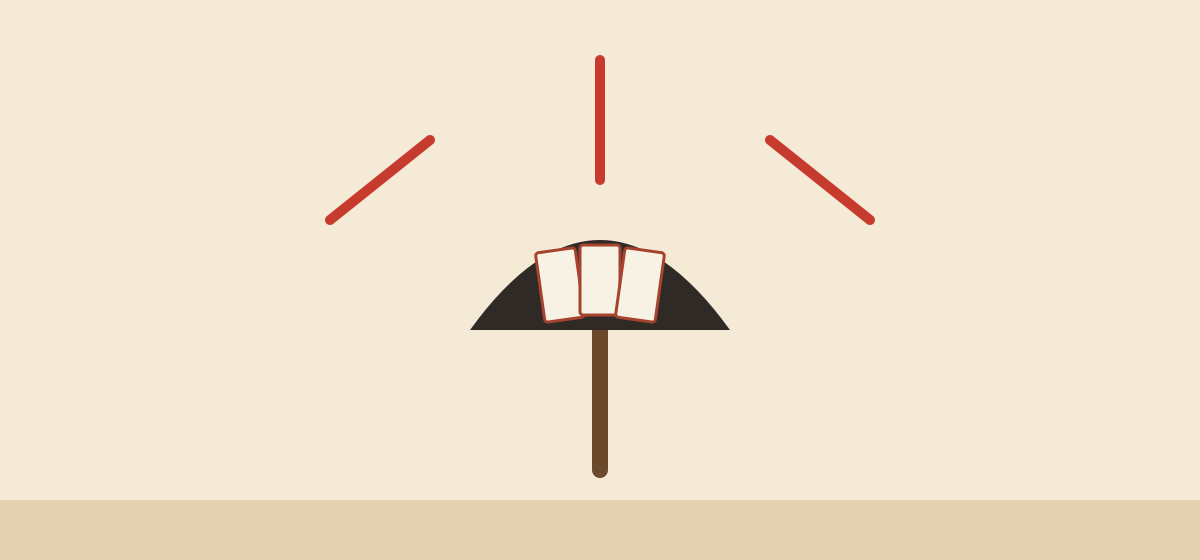
What you are seeing
- Kensho banners are carried around the ring before a sponsored makuuchi bout. When that bout ends, the gyoji names the winner and holds the prize money out on his gunbai.
- In front of the gunbai, the winner makes three chops with one hand: to the left, to the right, then to the center. Only then does he take the prize money.
- The hand shape is the tegatana itself, the 'hand sword': all five fingers straight and pressed together, pushed out in front.
What to watch next
- On a bout with a banner procession, keep your eyes on the winner after the decision instead of looking away.
- Watch the order of the three chops. The Association gives it as left, right, center, facing the gunbai.
- The Association describes tegatana as the way the winner receives kensho, so watch for it on the bouts that had banners.
A common first-timer mistake
Reading the chops as a victory celebration or the wrestler's personal style. The Association's own quiz lists 'a spontaneous expression of joy' as a wrong answer: it is a formal rule of sumo.
Words you may hear
- Tegatana
- the flat 'hand sword' shape, fingers tight together; 'tegatana o kiru' is cutting it through the air
- Kensho
- sponsor prize money attached to a top-division bout, announced with banners
- Gunbai
- the referee's fan; on a kensho bout, the gyoji presents the prize money on it
- Kachi-nanori
- the gyoji's formal naming of the winner after the bout; on a kensho bout, this is when the winner makes the tegatana
Sources and review
Created and photographed in Ryogoku by a Tokyo-based spectator. Facts reviewed against Japan Sumo Association materials on 24 November 2026.
- Japan Sumo Association - Sumo quiz No. 649, the order of the chops (in Japanese) ↗
- Japan Sumo Association - Sumo quiz No. 820, what the chops mean (in Japanese) ↗
- Japan Sumo Association - Sumo quiz No. 1002, a formal rule (in Japanese) ↗
- Japan Sumo Association - Sumo quiz No. 1365, history of the tegatana (in Japanese) ↗
- Japan Sumo Association — Kensho sponsorship ↗